Press.

Interviews, features
& recognition.

  1. South Dakota Magazine

    Charlie Buhler: Let’s Tell Our Stories
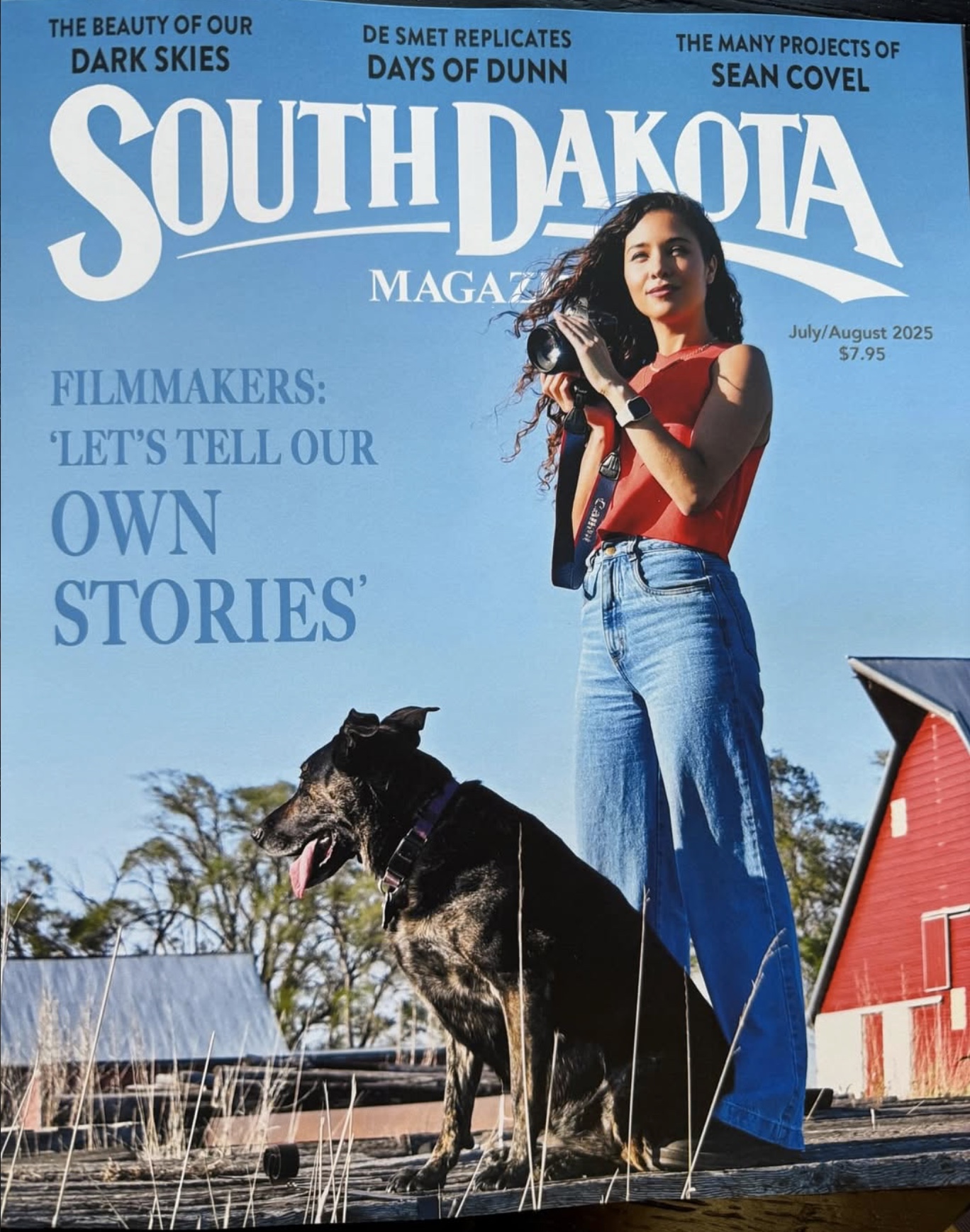
    Charlie Buhler holding a camera beside a dog on the July/August 2025 cover of South Dakota Magazine.
  2. shots Awards

    Music Video of the Year

    Black-and-white scene from Black Superhero, with a child being held indoors.
  3. Notre Dame Magazine

    Writing Her Own Script

    A camera operator and director beside a cinema camera on set.
  4. Clio Awards

    Black Superhero Wins at the Clio Awards

    Two people embracing outdoors in a black-and-white scene.
  5. ADC Awards

    Black Superhero is a finalist for Best Music Video at the 101st ADC Awards

    Three young people with bicycles along a rural path.
  6. Shado Magazine

    From Compton Cowboys to Rosebud rappers: how Charlie Buhler is defying stereotypes of BIPOC communities

    A young rider standing beside a horse.
  7. Rolling Stone

    Robert Glasper Teams With Killer Mike, Big K.R.I.T. for New Song ‘Black Superhero’

    Two people lying head-to-head in a black-and-white close-up.
  8. MEAWW

    'Before The Fire' director Charlie Buhler says 'structural change' needed to give women filmmakers more visibility

    A filmmaker holding a camera in tall grass.
  9. Madame Blue

    Charlie Buhler is Breaking Boundaries and Championing Representation in Filmmaking

    Portrait of a woman looking back along a garden path.
  10. Frame.io

    Before the Fire – A First Feature From Two Fearless Females

    A wooden house burning at night.
  11. MovieMaker

    Before the Fire Used Planes, a Burning House and Humvees to Reverse-Engineer the Timeliest Script of the Year

    A woman’s silhouette in front of a burning house.

Before the Fire – A First Feature From Two Fearless Females

A wooden house burning at night.

Frame.io goes behind the scenes of Before the Fire with director Charlie Buhler and writer and actor Jenna Lyng Adams. The interview traces how they built a first feature around a modest budget, a South Dakota farm, a demanding seasonal shoot, and a small crew, then carried the film through editing, color, and visual effects.

Buhler also reflects on the assumptions she encounters as a Black woman director. She connects her rural upbringing to the stories she wants to tell, explaining why Black experience cannot be reduced to a single setting or genre. Both filmmakers discuss making opportunities for themselves and supporting independent work.

Read original at Frame.io